

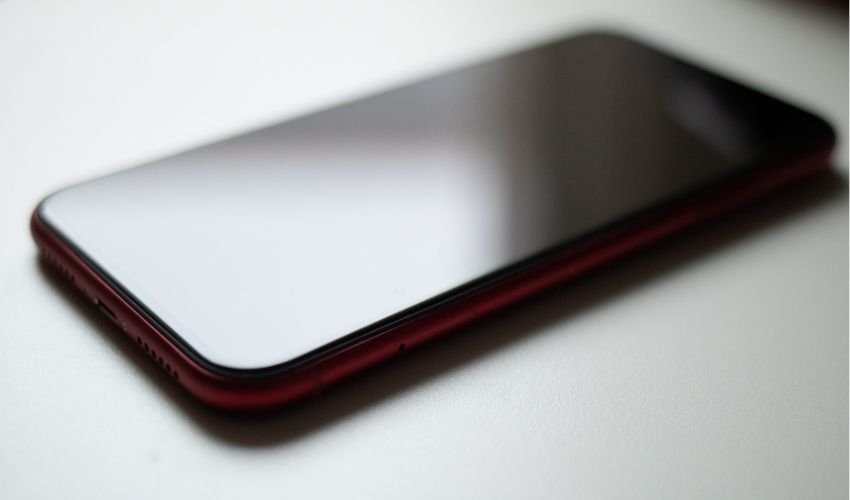
The liquidmorphium turing phone was one of the most unusual smartphones announced in 2015. It had a bold design, a special metal frame, and big promises about security. Many people wanted to see how this new device would work. Some were ready to pay hundreds of dollars before it reached stores. But the road from an exciting idea to a real product was not easy.
The phone faced several delays, software changes, and growing questions from buyers. Some customers canceled their orders, while others kept waiting. The story shows how a company can win attention with a fresh idea but still struggle to keep customer trust. It also teaches an important lesson about technology: a great product idea needs careful planning, clear updates, and honest delivery dates.
What Was the Liquidmorphium Turing Phone?
The liquidmorphium turing phone was a special smartphone developed by Turing Robotic Industries, also called TRI. The company wanted to build a phone that looked different and offered stronger protection for personal information. Its design included sharp lines, bright colors, and a strong metal body. The phone was first introduced when most leading smartphone brands were using more familiar designs.
TRI believed people would welcome something fresh. The device was named after Alan Turing, a famous British mathematician whose work helped shape modern computing. The company also promoted a special metal called Liquidmorphium. It claimed this material could make the phone more resistant to damage. Security was another major part of its plan. Rather than compete only on camera quality or screen size, TRI hoped to attract buyers who cared about safety, privacy, and a different style.
Why the Phone Created So Much Excitement
The liquidmorphium turing phone gained attention because it offered more than a normal smartphone design. Many phones in 2015 looked alike. They had large screens, simple backs, and familiar shapes. TRI tried something new. Its phone had a bold body that looked like a device from a science fiction film. The company also made strong claims about its metal frame and security system. These ideas gave technology fans several reasons to pay attention.
People who enjoyed unusual gadgets could see something different from the phones sold by Apple and Samsung. Security-minded buyers also had a reason to be interested. The promise of safer communication sounded useful at a time when online privacy was a growing concern. However, exciting ideas do not always lead to finished products. Buyers still need a phone that arrives on time, works well, and performs as promised. That became the biggest challenge for TRI.
The Special Metal Behind the Big Promise
One major selling point of the liquidmorphium turing phone was its unusual frame. Liquidmorphium was the name used for a special metal alloy. An alloy is a mix of different metals. TRI promoted the material as stronger than the metals used in many common phones. The company hoped this would help protect the device against everyday damage. A stronger phone could be helpful for people who often drop their devices or carry them during outdoor activities.
However, a strong frame does not mean every part of a phone is impossible to break. Screens, internal parts, and other pieces can still suffer damage. There was also an important change before shipping. In July 2016, TRI said it had moved away from the earlier Liquidmorphium material and was using its own TRI Alloy217 instead. This shows how the final product changed during development. It also reminds buyers to check finished specifications rather than rely only on early announcements.
Early Buyers Believed in a Different Future
The liquidmorphium turing phone appealed to customers who were willing to try new technology. These early buyers were not simply looking for another basic mobile device. They were interested in fresh ideas and unusual features. In July 2015, TRI announced plans to offer 10,000 phones for preorder. The announced U.S. prices were $610 for the 16GB model, $740 for the 64GB version, and $870 for the 128GB version.
These were serious prices for a new brand without a long history in the smartphone market. Customers who placed orders were putting trust in the company before they could judge the finished phone. This is common with new technology products, but it carries risk. Buyers may see attractive photos and read impressive details. Yet they cannot know how well the device works until it is ready. For TRI, each early order also created a duty to meet the expectations that helped sell the phone.
The First Major Delay Changed the Story
The liquidmorphium turing phone was expected to begin shipping to early customers on December 18, 2015. That date gave buyers a clear idea of when they might receive their devices. However, the company could not meet the plan. In December, TRI informed preorder customers that the phone needed more development work. The company pointed to unfinished software and security work as important reasons for the delay.
It then suggested that shipping could take place during the first three months of 2016. This news changed the mood around the project. Before the delay, much of the attention was about the phone’s design and features. Afterward, a new question became important: when would people actually get their phones? A missed deadline can be a serious problem for a young company. Even customers who understand technical challenges may begin to worry when plans change after they have already paid.
Why the Release Date Kept Moving
The liquidmorphium turing phone continued to face problems during 2016. The December target had already passed. April later became another expected release period, but the device did not reach buyers as planned. Reports then pointed toward late May or June. These changes made the launch difficult to follow. Building a smartphone is not a simple task. A company must bring together many parts, including the screen, battery, processor, operating system, security tools, and outer frame.
Each part must work with the others. A problem in one area can slow the whole project. TRI also wanted to offer features that were not common on ordinary phones. This created extra work. Still, buyers had a fair reason to expect clear answers. When dates keep changing, people may begin to question whether the next promise will be kept. The challenge was no longer only about making a new phone. It was also about keeping people confident during a long wait.
The Unexpected Change From Android to Sailfish OS
Another major surprise came when TRI decided to change its operating system. The liquidmorphium turing phone was first presented as an Android device. Android was already familiar to millions of smartphone users. It supported many popular apps and services. In February 2016, TRI announced that it would use Sailfish OS instead. Sailfish OS was developed by Jolla and offered another way to run a smartphone. TRI said the decision supported its security goals.
However, the change also raised questions about app support and daily use. Some buyers may have chosen the phone because they expected an Android experience. Changing such an important feature after preorder plans were already in place could affect their confidence. The company said Android apps would still be supported, but buyers had to wait to see how well everything worked. This part of the story shows why major software changes need clear explanations, especially when customers have already placed orders.
Refunds Became an Important Test of Trust
The liquidmorphium turing phone delays forced TRI to deal with unhappy customers. The company offered full refunds to people who no longer wanted to wait. It also offered free storage upgrades to buyers who chose to keep their orders. For example, customers who ordered the 16GB phone were offered a move to the 64GB model. People who chose the 64GB version could receive the 128GB model.
Buyers of the highest storage model were offered a limited edition. These offers were meant to reward patience and ease concerns. According to a May 2016 report from Digital Trends, some early customers had started canceling their orders. That was an important warning sign. A refund option gives customers more control, but it does not erase the disappointment caused by delays. Free upgrades can add value, yet they cannot fully replace a clear delivery plan. Trust depends on what a company does after making a promise, not only on the extra gifts it offers.
Why Some Customers Chose to Keep Waiting
Not everyone who followed the liquidmorphium turing phone story gave up after the delays. Some people remained interested in the phone’s unusual design and security goals. This kind of patience is common among technology fans who enjoy new ideas. They may accept some risk because they want to try something that large brands do not offer. TRI gave these buyers another reason to stay by promising better storage at no extra cost.
Later, reports also described plans for future hardware upgrades. Still, there is an important difference between being interested in an idea and receiving a working product. A loyal customer can support a new company, but that support should not be taken for granted. Each delay uses some of the trust that buyers have placed in the business. This is why regular updates matter. Even when the news is disappointing, a clear explanation helps people make better choices about whether to keep waiting or ask for their money back.
The Phone Finally Began Shipping in July 2016
After months of waiting, the liquidmorphium turing phone reached an important point in July 2016. On July 12, TRI announced that it had started shipping the first units. Technology news sites also reported that early orders were beginning to go out. The company planned more batches later that month. This was a major step because it moved the project beyond pictures, announcements, and missed dates.
However, the first shipments did not mean that every problem had been solved. Reports described early phones as evaluation units. These devices used an early version of Sailfish OS 2.0, and some functions were expected to arrive through later updates. TRI also discussed plans for improved hardware. The shipping news showed that the product had moved forward, but it was not proof that every buyer had received a complete final device. That difference matters when reviewing the history of a delayed technology launch.
Missing Features Raised New Questions
The liquidmorphium turing phone had been promoted with several advanced features, including strong water protection. Yet the first shipping units did not include every planned feature. PhoneArena reported in July 2016 that the special water-repellent coating had been delayed because the process was difficult. The company planned to include that protection in a later version. The report also said the promised Bluetooth headset was not included in the first packages. TRI expected to provide it later.
These details were important because customers had spent months waiting for a phone known for its unusual features. A device can be exciting and still feel unfinished if important parts are missing. Early software may also need updates before it works as intended. This creates a hard choice for the company. Shipping sooner may reduce the wait, but it can also expose customers to problems. Waiting longer may improve the product, but it can further weaken trust. TRI faced both sides of this problem.
The Business Risks Behind a Bold Smartphone
The liquidmorphium turing phone also shows how difficult it can be for a smaller company to challenge large smartphone brands. Making a phone takes money, skilled workers, careful testing, and reliable suppliers. A young company must manage these needs while also keeping customers interested. Large brands often have more money and experience to solve production problems. A smaller team may find it harder to recover when something goes wrong.
TRI was also trying to stand out in several ways at once. It wanted a special metal frame, strong privacy tools, an unusual design, and a different software experience. Each goal added work. A product with too many new features can become difficult to finish on schedule. This does not mean innovation is a bad idea. It means companies must choose what they can build and test well. A smaller set of reliable features may serve customers better than a long list of promises that cannot all be delivered on time.
What the Turing Phone Story Teaches New Companies
The liquidmorphium turing phone offers useful lessons for people who build and sell technology. The first lesson is to make promises that can be met. A company may want to announce a fast release date to attract attention. However, a realistic date can be more valuable than an exciting one. The second lesson is to keep customers informed. If a product needs more work, buyers deserve to know what has changed and why.
The third lesson is to avoid using extra features as a replacement for reliability. Better storage and future upgrades can be welcome gifts, but customers still need the product they ordered. The fourth lesson is to test important features before making large claims about them. Security and water protection are serious matters because buyers may depend on them. The final lesson is that trust grows through action. Good design may attract the first customer, but honest service and a working product help keep that customer.
Why This Unusual Phone Still Matters
The liquidmorphium turing phone remains an interesting part of smartphone history because its story goes beyond one product. It shows a time when companies were trying new materials, fresh designs, and different ways to protect personal data. TRI wanted to prove that a smartphone could be more than a familiar glass screen inside a simple case. Its ideas attracted attention from technology writers and early buyers.
Yet the delays also showed the limits of ambition without smooth delivery. A new idea must pass many tests before it can become a product people use every day. The phone’s history is also a reminder that customer confidence is a valuable part of any business. When people preorder a product, they are trusting a company with both their money and their time. That trust can help a small business grow. But repeated changes, missed dates, and incomplete features can make it harder to keep.
Final Thoughts
The liquidmorphium turing phone started with an exciting promise. It offered an unusual design, advanced metal technology, and a strong focus on privacy. Many people were interested in seeing a new company challenge the normal smartphone market. However, the long wait changed the story. Missed shipping dates, software changes, refunds, and missing features made customer trust a central issue.
The first phones began shipping in July 2016, but the road to that point had been difficult. Today, the device is a useful example of both the promise and the risk of new technology. Its history teaches companies to plan carefully, share clear updates, and respect the people who support their ideas. A bold phone can win attention, but a reliable product and honest service are what help a company earn lasting trust.
